A Practical Guide to Linen Care for London Homes: Stain Removal, Washing Temperatures, and Ironing Techniques
A National Geographic–minded exploration of linen care tailored for the urban rhythms and climate of London, with timeless guidance on stain removal, washing temperatures, drying, and finishing touches that keep textiles pristine through the seasons.
In the bustling pace of London life, linens are not mere fabric; they are a living record of dusted mornings, rainy commutes, and hotel-grade calm within a domestic setting. This guide synthesizes practical know-how with a storytelling approach inspired by archival histories and contemporary craft, drawing on care practices that have endured across centuries and geographies. We’ll explore stain reconnaissance and treatment for coffee, red wine, and oil; the Linen Care Calendar aligned with London’s seasonal climate; and ironing and finishing techniques to achieve crisp, hotel-like surfaces without compromising the integrity of fibers. Along the way, we’ll meet three key figures from different eras who illuminate the craft of linen and the art of care.
1) The London Linen Care Mindset: Stains, Temperatures, and Timing
Cleanliness begins at the threshold of your laundry room, but its impact travels through the entire home. Linen, famed for its breathability and natural moisture-wicking properties, responds best to timely action. The everyday life of a London home—mementos from the morning commute, spills during a late afternoon tea, or a dinner party’s lingering wine—demands a practical repertoire of stain removal methods, temperature awareness, and efficient finishing.
Key principles to adopt:
- Act quickly on fresh stains. The sooner you treat coffee, red wine, or oil, the easier the stain will lift without setting.
- Preserve fiber integrity by washing at appropriate temperatures and avoiding harsh agitation that can weaken linen fibers over time.
- Finish with careful ironing or pressing to restore the fabric’s smooth, cool hand, while maintaining a gentle, natural texture that linen inherently carries.
2) Stain Removal Basics: Coffee, Red Wine, and Oil
Stains are a narrative, and linen is its most forgiving canvas when treated with calm and consistent care. Below are step-by-step, brand-agnostic guidelines that work across a broad range of linen products—from sheets to decorative pillow covers to hotel-grade duvets.
Coffee and Tea
- Blot gently to remove excess liquid. Do not rub, as this pushes stain deeper into fibers.
- Prepare a mild solution of cool water and a gentle detergent. Apply with a soft cloth from the stain’s outer edge toward the center.
- Rinse with cool water, then launder as usual at a temperature appropriate for linen (see care label). For stubborn marks, a repeat treatment may be necessary.
Red Wine
- Blot, then soak the stain with a solution of white vinegar and a small amount of dish soap. Vinegar helps neutralize the tannins in wine.
- Rinse and launder in cool water with a gentle detergent. Avoid heat early in the process; heat can set the stain irreversibly.
- If color remains, consider a color-safe laundry booster or a professional cleaning option for delicate or antique linens.
Oil and Fat
- Sprinkle a small amount of absorbent powder (baking soda or cornstarch) on the stain and let it sit for 15–30 minutes to draw out the oil.
- Brush away powder, apply a gentle detergent solution, and dab along the stain edge outward.
- Launder at the recommended linen-friendly temperature; for heavy oil stains, pre-treat with a stain remover designed for delicate fabrics, then wash as directed.
3) The Linen Care Calendar: Seasonal Washing and Storage in London Climates
London’s maritime climate—cool summers, damp springs, and wet autumns—requires a flexible calendar that respects seasonal humidity, indoor heating cycles, and storage conditions. The calendar below is a practical framework you can adapt to your household rhythms and wardrobe of linens.
Spring Cleaning and Freshening
As temperatures rise, air out linen textiles in a shaded outdoor space or a well-ventilated room. Light, sun-bleaching should be avoided on delicate finishes. Refresh linens with a gentle wash using a mild detergent and a shorter cycle to prevent wear from repeated agitation.
Summer Care and Heat Management
Linen’s breathability shines in warmer months. Wash at cooler temperatures if possible, and avoid over-drying to preserve the fabric’s relaxed hand. Line-drying is ideal; if using a dryer, employ a low heat setting and promptly remove to minimize wrinkling.
Autumn Preparation
As humidity returns, inspect pillowcases and duvet covers for wear. Restore crispness with a hot iron or steam press, ensuring to respect linen’s fibers and natural texture. Store any seasonal pieces in breathable cotton storage bags to preserve freshness.
Winter Wardrobe and Humidity Control
In damp months, reduce humidity in linen storage spaces. Consider silica gel or cedar storage to deter moisture-related issues without chemical perfumes that may transfer to fabrics.
4) Ironing Techniques: Finishing Linen with a Hotel-Calm
Ironing linen is less about heat alone and more about timing, moisture, and technique. Linen loves a slightly damp surface and crisp, even pressure. The goal is to achieve a smooth, cool hand that preserves the fabric’s natural texture and a refined sheen that catches the light without glare.
- Iron while the fabric is still slightly damp to ease creases. If linens are dry, mist lightly with water or use a steam iron.
- Choose a medium to high heat setting appropriate for linen. Use steam generously, particularly on stubborn wrinkles.
- Iron on the reverse side or with a pressing cloth to prevent shine on lighter shades.
- For delicate embroidery or lace trims, use lower heat and a careful hand to avoid damage.
5) London-Ready Laundry Room Setup: Equipment and Process
The practical heart of linen care lies in a well-organized laundry routine. A London-appropriate setup might include a front-loading washing machine with a dedicated linen cycle, a breathable laundry basket, and flat-drying racks that allow textiles to air out fully. The key is consistent temperatures, minimal agitation beyond the cycle’s design, and a calm approach to folding and storing.
6) A Short Gallery of Notable Figures: Time, Craft, and Care
Throughout history, three figures illuminate linen’s enduring appeal and the discipline of care. Their ideas resonate with the practical aims of a London linen care guide, tying craft, culture, and climate together in a narrative that informs today’s households.
1) Levantine Linen: The Silk Road to Sustainable Craft (c. 15th Century)
A figure associated with the early global diffusion of linen textiles, whose practices emphasized durable fibers, natural dyes, and long-lasting finishes. Their legacy hints at the earliest principles of responsible textile production—care for the loom, respect for the fiber, and a design that ages gracefully.
2) Elizabethan Craftspersons: From Loom to Linen (Late 16th–Early 17th Century)
Artisans who bridged practical bed-linen necessities with refined aesthetics. Their documented weave techniques and finish methods laid groundwork for modern linen hand and texture, influencing how households value tactile quality and durability.
3) Contemporary London Designers: The Responsible Textile Movement (21st Century)
Modern designers emphasize sustainable sourcing, responsible production, and timeless design. Their work—paired with care-forward guides like this—helps households balance luxury with durability and environmental mindfulness.
7) Practical Application: A Sample Care Plan for a London Home
Below is a practical week-by-week plan you can adapt. It integrates stain readiness, temperature guidelines, and ironing sessions into a seamless routine for busy households who value quiet luxury.
Stain Readiness and Quick Response
Keep a small kit near the laundry area with color-safe all-purpose detergent, a stain remover compatible with linen, a soft brush for gentle lifting, and microfiber cloths. The moment a spill occurs, blot—do not rub—and treat according to stain type within minutes for optimal results.
Washing Temperatures and Frequency
For everyday linen, wash at 40°C with a gentle cycle using a mild detergent. Mountain-dry climates and seasonal humidity in London make linen’s breathability particularly valuable. Reserve hotter cycles for heavily soiled pieces, and avoid excessive washing that can reduce fiber strength over time.
Note on care labels and product-specific guidance: Always check the care instructions on individual linen items, especially for special finishes or trims like lace, embroidery, or stone-washed textures. The Hudson Linen Quilted Shams from Bovi, featured in this article, exemplify how careful finishing can require nuanced handling to preserve texture and shape over time. When in doubt, a professional cleaner with experience in linen textiles can provide tailored advice for fragile or antique items.
8) Product Spotlight: Bovi Hudson Linen Quilted Shams
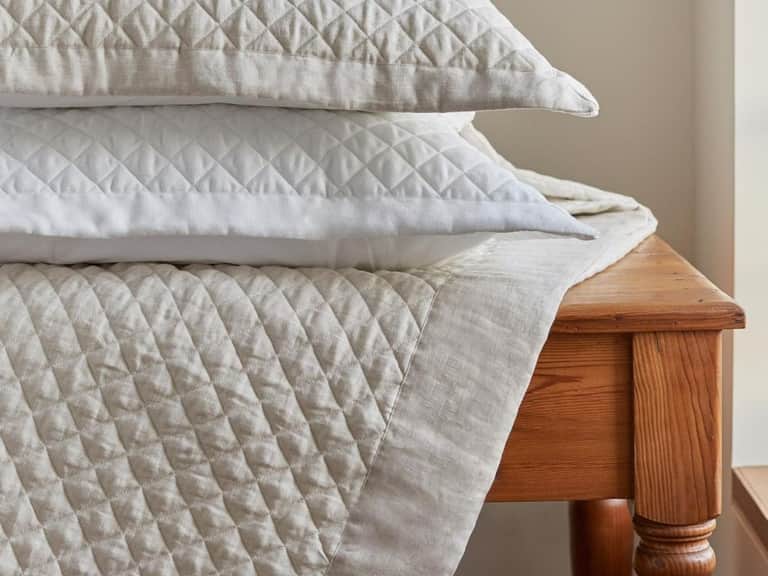
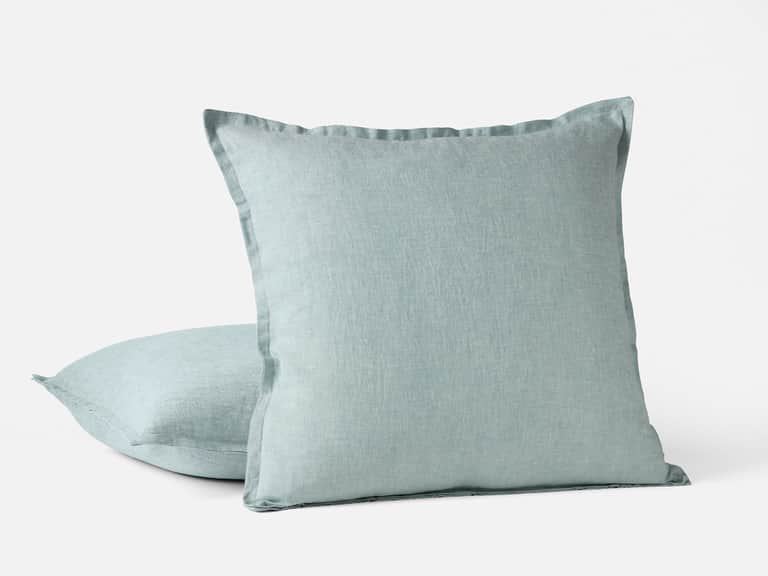
To illustrate the luxurious yet practical potential of linen in a London home, we spotlight a contemporary product that embodies the guiding principles of care, texture, and warmth. The Bovi Hudson Linen Quilted Shams fuse European linen with a diamond quilted pattern, a solid border, and a cotton percale backing. Stone-washed for softness, these shams bring a refined texture to bedding ensembles while remaining robust under regular laundering. They are a reminder that linen is not merely a fabric but a living system—aging gracefully with thoughtful care.
Bovi Hudson Linen Quilted Shams
100% European linen, diamond quilted with a solid border. Backed in cotton percale for a soft hand. Made in Portugal with a design that balances texture and structure. Available in multiple sizes to fit standard shams.
Price: $180.00
Note: The product visuals in this article illustrate styling and texture. Availability and images are illustrative. For the exact product and current imagery, please refer to the linked product page.
9) Local London Features: Care Services and Workshops
While this guide remains non-promotional in intent, it is useful to note local care services, dry cleaners, and linen-related workshops that can deepen understanding of fabric care and stewardship in the London context. Community programs often provide opportunities to learn stain removal techniques, garment care, and textile maintenance from seasoned professionals who bring decades of experience to the workshop floor.
10) Glossary and Quick Reference
- Linen: Fabric made from the flax plant, renowned for breathability and moisture-wicking properties.
- Stone-washed: Finishing process that softens linen, giving a slightly worn texture without compromising strength.
- Hemstitch: A decorative embroidery technique used to create a light, airy edge on linen pieces.
- GOTS: Global Organic Textile Standard, ensuring organic fiber content and ethical processing.
11) Conclusion: A Practical, Timeless Approach to Linen in London Homes
In London’s ever-changing climate, linen remains a steady, elegant companion. Its care—thoughtful stains, temperature-aware washing, and careful finishing—ensures that linen’s timeless beauty endures. The narrative of linen care is a thread that runs through history and into contemporary home life, tying together craft, climate, and daily rituals in a way that resonates with readers who seek both practicality and refinement.