Bedding · Linen care and styling
Libeco Linen Duvet Covers: Texture, Weight, and Bedroom Styling
A linen duvet cover does more than protect a comforter. Its weave, weight, finish, and color shape the bed’s feel and the atmosphere of the room. With Libeco linen as a starting point, learn how to read those details, build considered bedding layers, and care for linen so it stays inviting over time.
Published November 18, 2026
In the quiet of a bedroom, fabric becomes part of the weather. It is the first cool surface touched at night and, by morning, a record of warmth, movement, and rest. Linen carries that daily exchange with a distinctive presence: visible texture, a fluid but substantial drape, and a surface that rarely looks entirely uniform. On a duvet cover, those qualities can make a bed feel relaxed without seeming unfinished.
Libeco linen is associated with Belgian linen traditions, and the name appears across a range of linen bedding styles. But a brand name alone does not tell the whole story of how a cover will feel. Weight, weave, wash, construction, color, and care all contribute. Understanding those elements makes it easier to choose bedding that suits both the sleeper and the room—and to style it in a way that lets the material’s character come through.
This guide explores linen duvet covers through those practical details. It also considers how sheets, pillowcases, shams, and coverlets can be layered alongside linen without making the bed feel crowded. The aim is not a rigid formula, but a clear way to notice how textiles work together.
What makes linen look and feel different?
Linen is made from flax fibers. Compared with many cotton fabrics, linen often has a more pronounced natural irregularity: tiny variations in the yarn can create subtle slubs and shifts in the surface. These are part of the fabric’s visual character, not necessarily flaws. They catch light differently across a duvet, giving a plain color more depth than a perfectly even surface might suggest.
The feel of linen varies widely. A crisp, closely woven linen may feel structured at first, while a washed or garment-dyed finish can offer a softer, more relaxed hand from the outset. With regular use and suitable laundering, many linen fabrics become more supple. The pace and extent of that change depend on the fabric and its finishing, so it is better to follow the care instructions for the individual cover than to assume all linen behaves alike.
Linen is also valued for air circulation and moisture management. Those qualities can make it appealing to people who find some bedding too warm, though the room temperature, duvet filling, weave, and personal comfort all matter. A breathable cover is one part of the sleep environment, not a guarantee of a particular temperature. A lighter duvet insert, an open window, or the season itself may have as much influence on comfort as the outer fabric.
For a Libeco linen duvet cover, look beyond a broad label such as “linen” and examine the details available for the specific design: stated fiber content, fabric weight, weave, finish, closure, and washing guidance. These details help distinguish a crisp and tailored appearance from a softer, more rumpled one.
Fabric weight: the architecture of a duvet cover
Fabric weight is one clue to how linen may drape and feel, but it is not a simple ranking of quality. A heavier fabric can have more visual presence and fall in broader folds. A lighter one may feel airier and move more readily. Yet yarn, weave density, finishing, and the size of the duvet also shape the result. Two fabrics with similar stated weights can still feel noticeably different in use.
Weight affects the bed’s visual proportions, too. A substantial linen cover can lend a large bed a grounded, enveloping appearance, especially when allowed to fall naturally over the sides. A lighter cover may create a more buoyant, informal look, with gentle creasing rather than broad, heavy folds. Neither effect is inherently more elegant. The right choice depends on the room, the season, and the way the bed is used.
In a warm bedroom or during summer, a light-feeling cover can contribute to an airy arrangement, particularly when paired with breathable sheets and a modest duvet insert. In colder months, linen can still be used as part of a comfortable bed, but the warmth comes primarily from the insert and additional layers. A cover’s weight should not be mistaken for the insulation of the whole bedding system.
When comparing options, consider how the cover will behave with the duvet inside it. Check the dimensions of both, and look for closures or interior ties if those details are provided. A well-proportioned cover is easier to spread evenly and less likely to leave the duvet shifting into a corner. If the fabric is described as relaxed or washed, expect a less formal surface than one designed to look crisp and pressed.
Weight numbers can be useful when they are supplied, but they should be read in context. A figure measured in grams per square metre describes fabric mass, not softness, durability, or comfort by itself. Use it alongside construction and finish information, and, where possible, rely on the maker’s care guidance and a clear description of the fabric’s intended feel.
Weave, finish, and the character of the surface
Weave determines how yarns cross and how closely they sit together. Linen duvet covers may be described in terms such as plain weave, twill, or a particular finishing process. Each can influence texture, drape, and the way light moves across the surface. A tighter structure can appear more orderly; a more open or softened fabric may feel less formal. Unless a maker provides exact construction information, it is wise not to infer a specific weave from appearance alone.
Finishing can transform the first impression of linen. Stone-washing and other softening processes are intended to reduce a fabric’s initial stiffness and create a lived-in look. Garment dyeing may give color a nuanced, less uniform quality. A crisp finish, by contrast, can emphasize a tailored edge and a cleaner outline. None of these descriptions tells you everything about long-term performance, but each offers a useful hint about the intended aesthetic.
Natural texture rewards restraint. When the duvet cover already has visible slubs and soft creases, it does not need several competing patterns to make the bed interesting. A smooth sheet, a quiet border, or a single contrasting cushion may provide enough definition. Texture is most legible when it has room around it.
That does not mean every element must match. A linen cover can sit alongside cotton percale, cotton sateen, or another natural textile. The contrast between a matte, irregular linen surface and a smoother sheet can make both materials more noticeable. The key is to give each textile a role rather than adding layers simply because they are available.
Building a calm, cohesive bed
A considered bed often begins with a limited palette. Ivory, white, flax, stone, and muted grey allow the surface of linen to take the lead. These shades also make it easier to combine pieces acquired at different times. A room does not need to be entirely neutral, however. Deep blue, green, or charcoal can anchor a pale duvet cover, while a restrained stripe introduces pattern without overwhelming the fabric.
Start with the sleeping layers: a fitted sheet, a flat sheet if you use one, and the duvet. If the cover is linen, decide whether you want the sheets to echo its texture or contrast with it. Linen sheets create a more continuous, tactile effect. Smooth cotton can bring a crisp note beneath a softly rumpled cover. For people who sleep warm, the choice of sheet weave and duvet insert may matter as much as the cover’s fiber.
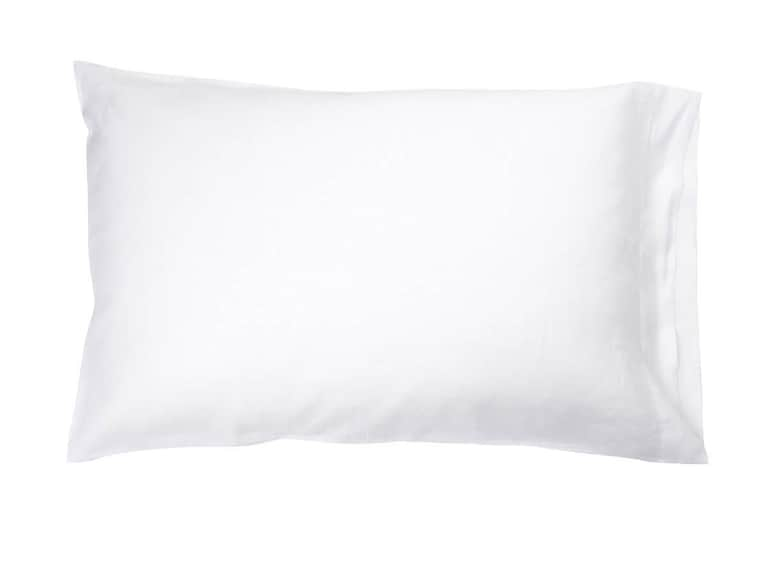
Next, consider pillowcases. A coordinating linen pillowcase can make the bed feel unified, while a different border or finish gives the arrangement a subtle point of focus. For example, the Libeco Classics Victoria Pillow-case is made from 100% linen and described as a classic fine weave with a refined hemstitch finish. Its Belgian linen construction and tailored detail make it a possible companion to a more relaxed duvet cover, especially when the aim is to balance natural texture with a neat edge. Check sizing and care information before combining it with other bedding.
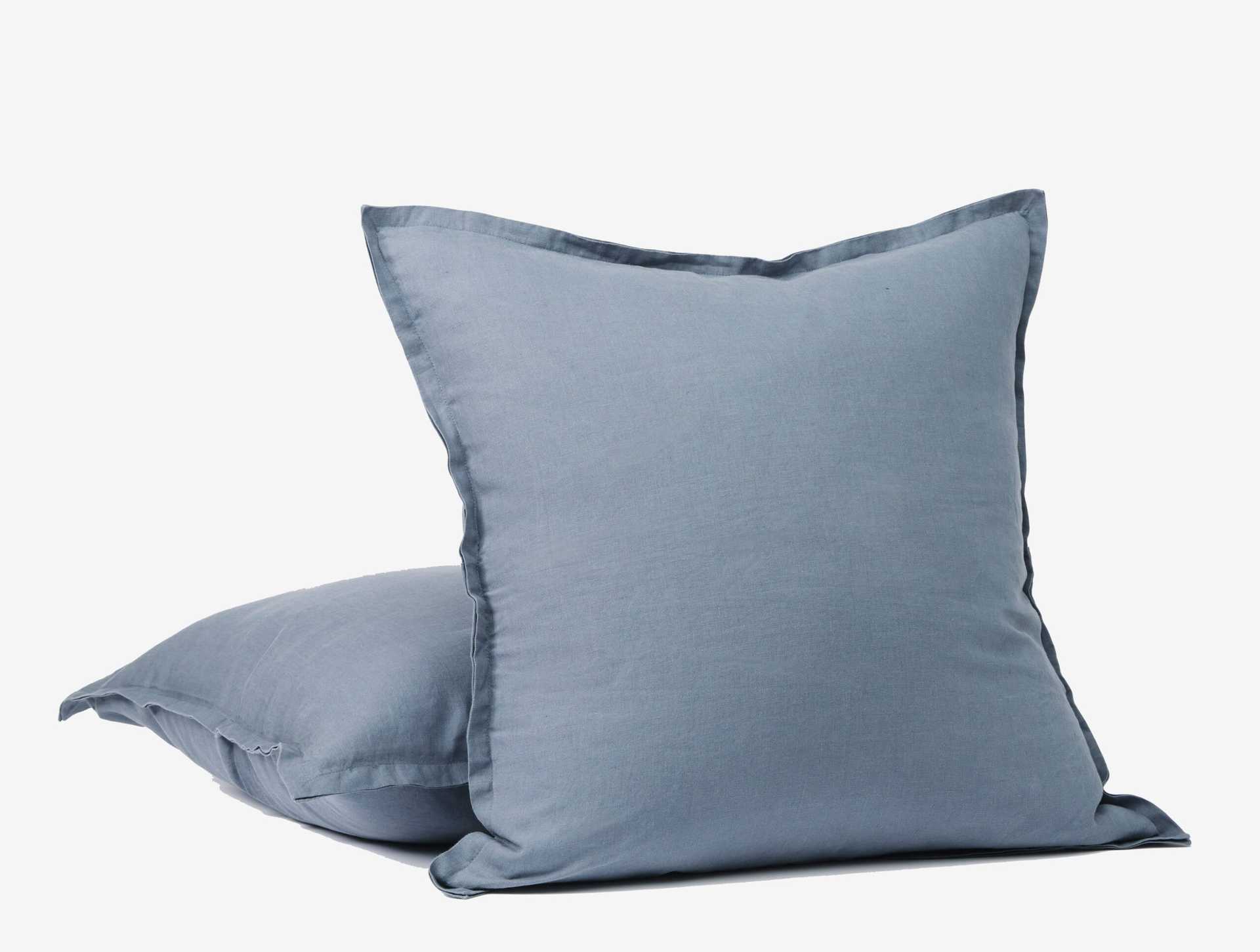
Shams and decorative cushions work best when their scale is considered. A large bed can carry a few substantial pillows, but a crowded arrangement can hide the duvet itself. Try varying dimensions rather than introducing many colors: sleeping pillows at the back, a pair of shams in the middle, and one smaller accent at the front. If the cover is patterned, let the other pillows stay simpler. If the cover is plain, a restrained stripe or contrasting border can add definition.
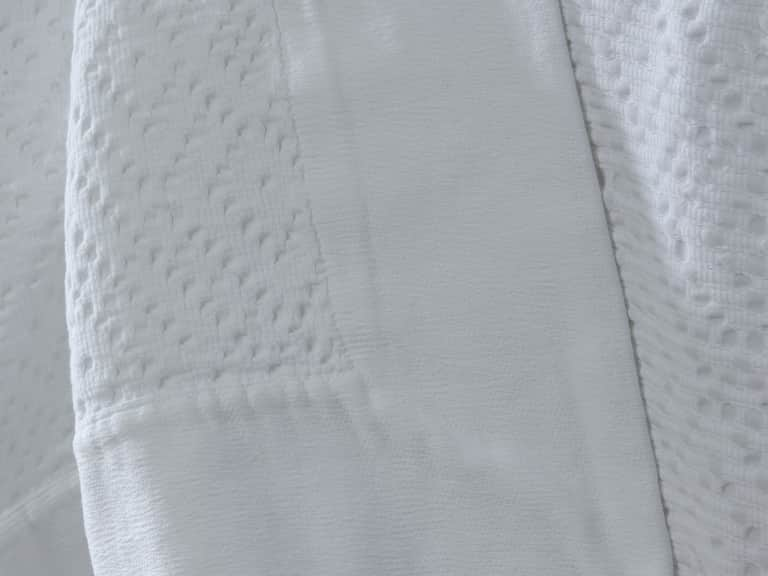
A bedcover can finish the arrangement or provide a practical extra layer. Choose one with a different hand from the duvet cover so the contrast is perceptible. A textured cotton bedcover, for instance, can bring a more sculptural surface to linen. Fold it across the foot of the bed rather than covering the entire duvet, allowing the linen to remain visible. The Tex Bedcover is made from pure cotton with a three-dimensional waffle weave and a border woven directly on the loom. Its raised texture offers a distinct counterpoint to linen, though its weight and care requirements should be checked for the intended use.
For a small bedroom, keep the palette and number of layers especially simple. A duvet cover, one clearly chosen sheet combination, and a single finishing layer can make the space feel composed without taking up visual room. In a larger bedroom, a broad bed may need more contrast or a more pronounced fold at the foot to keep the arrangement from feeling visually flat.
Three practical styling approaches
The quiet, tonal bed
Pair a flax or ivory linen duvet cover with sheets in a closely related shade. Let subtle differences in weave and finish create the interest. Add one deeper accent—perhaps a muted blue or charcoal cushion—rather than scattering several unrelated colors across the bed. This approach suits rooms where natural light and calm surfaces are part of the design.
The crisp-and-relaxed contrast
Combine a softly washed linen cover with smoother cotton sheets and pillowcases. The contrast sets a clean outline against the duvet’s relaxed texture. Keep decorative details controlled: a hemstitched edge or a narrow stripe is often enough. This arrangement works particularly well when the room has simple furniture and the bedding is intended to provide most of its tactile character.
The seasonal layer
Use a linen duvet cover as the central layer, then adjust the insert and bedcover as the weather changes. During warmer periods, a lighter insert and an open, uncluttered arrangement may feel more comfortable. When the room cools, add a blanket or coverlet that can be removed easily. The advantage of separate layers is flexibility: comfort can change without replacing the entire bedding set.
Care that preserves texture and comfort
Good linen care begins before the washing machine starts. Read the label for the particular cover, note any restrictions, and separate items by color and fabric type. Close buttons or fastenings where instructed, and avoid packing the drum tightly. Bedding needs room to move through water so detergent can rinse away and fabric is less likely to become twisted or abraded.
Use a suitable detergent in a measured amount. Too much can leave residue that dulls the fabric or makes it feel less pleasant. Follow the maker’s temperature guidance rather than choosing a hotter wash in the hope of achieving a better result. High heat is not automatically better cleaning, and it may be unsuitable for some finishes, colors, or construction details.
For drying, follow the care label. Line drying can reduce dependence on a tumble dryer and allow the fabric to move freely, though direct sun may affect color over time. If tumble drying is permitted, choose the recommended setting and avoid over-drying. Removing bedding while it is still slightly damp may help reduce sharp creases and make it easier to smooth or fold. Linen naturally wrinkles; trying to eliminate every crease can be a source of unnecessary work.
If you prefer a more polished appearance, iron linen while slightly damp when the care instructions allow it. A steam iron can help relax stubborn creases. For a softer, more informal finish, smooth the duvet cover by hand as it dries and accept some variation in the surface. Neither approach is more correct. The desired finish is a matter of preference and the character of the fabric.
A duvet cover can also benefit from regular airing between washes, especially when it remains clean and dry. Shake it out, let air circulate through the bed, and avoid making the bed immediately after waking. This simple routine helps bedding feel fresher without adding unnecessary laundering. Wash more often when required by household needs, allergies, spills, or the maker’s instructions.
For stains, act promptly but gently. Blot rather than rub, and consult the care guidance before applying a stain treatment. Test any product on an inconspicuous area if the instructions permit. Avoid chlorine bleach unless the manufacturer explicitly says it is suitable; it can damage fibers or alter color. Persistent stains may call for professional advice rather than repeated aggressive washing.
A sensible approach to linen quality
Descriptions such as “luxurious,” “durable,” or “breathable” can point toward a fabric’s intended character, but they are not substitutes for construction details. When assessing a linen duvet cover, look for clear information about fiber content, where the fabric is woven if that is stated, weight, finish, closures, dimensions, and care. Certification claims should be specific and verifiable. A label or origin statement can provide useful context, but no single phrase tells you how the cover will feel in your home.
Consider cost in relation to use. A duvet cover that will be washed frequently should be practical to launder and appropriately sized for the insert. One used mainly as a decorative top layer may be judged more by finish and presentation. If you can handle the fabric in person, notice its drape and density rather than relying only on a photograph. If purchasing remotely, read the care instructions and measurements closely, and check the return terms before ordering.
Durability also depends on care. Overloading a washer, using unsuitable chemicals, and applying excessive heat can shorten the useful life of many textiles. A carefully made cover is not immune to poor laundering, and a well-maintained everyday linen can remain appealing even as its surface softens. The most satisfying bedding is usually that which fits its real routine—not an imagined one that requires constant special treatment.
Common questions about Libeco linen duvet covers
Will linen feel rough at first?
It can feel firmer or more textured than some cotton bedding, particularly if it has a crisp finish. Washed linen is often softer from the beginning, and linen may become more supple with use and appropriate washing. The starting feel varies by fabric and finish, so check the description for the particular cover.
Does a heavier linen duvet cover keep you warmer?
Fabric weight affects how a cover drapes and may influence its hand, but the warmth of the bed depends chiefly on the duvet insert, room conditions, and the other layers. A heavier-feeling cover does not automatically make a bedding system warmer. Choose layers to suit the sleeper and season.
Does linen need to be ironed?
No. Linen’s natural creases are part of its familiar appearance, and many people prefer it without pressing. If you want a smoother finish, follow the care label and iron while slightly damp when permitted. Some linen products are designed specifically to be easy-care or to retain a relaxed, no-iron texture.
Can linen be mixed with cotton?
Yes. Mixing fibers can create useful contrast in touch and appearance. Linen’s irregular texture pairs naturally with a smoother cotton percale or sateen, for example. Check washing instructions before laundering different textiles together; similar colors and compatible care requirements matter more than making every piece from the same fiber.
How many layers should a bed have?
As many as are comfortable and practical for the room. A simple arrangement can be complete with sheets and a duvet. Add a coverlet or blanket when it serves a purpose—extra warmth, a place to rest a throw, or a visual finish. Layers should be easy to remove, wash, and store.
The lasting appeal of a linen bed
Linen’s appeal is not confined to a pristine surface. It lies in the way a duvet cover holds light, gathers into folds, and changes gradually with use. Its texture can make a carefully arranged bed feel less formal; its varied finishes can move it in the opposite direction, toward clean lines and tailored detail. Weight, weave, and color provide the vocabulary, while the room and the sleeper determine how to use it.
With Libeco linen, begin by checking the details of the specific duvet cover rather than relying on assumptions about every linen fabric. Choose a weight and finish that suit the season and the desired drape. Pair the cover with sheets and pillowcases that complement its surface, then add a contrasting layer only when it contributes comfort or clarity. Finally, follow the care instructions and allow the fabric’s natural character to remain visible.
A well-made bed need not look untouched. It can be orderly yet relaxed, layered yet breathable, and refined without being precious. Linen makes that balance possible by turning small variations—the soft crease, the uneven slub, the quiet shift in color—into part of the room’s everyday landscape.